Principles of Fire and Connection Design & Special Inspection
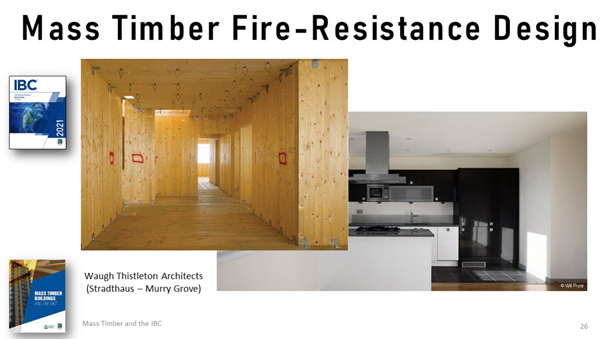
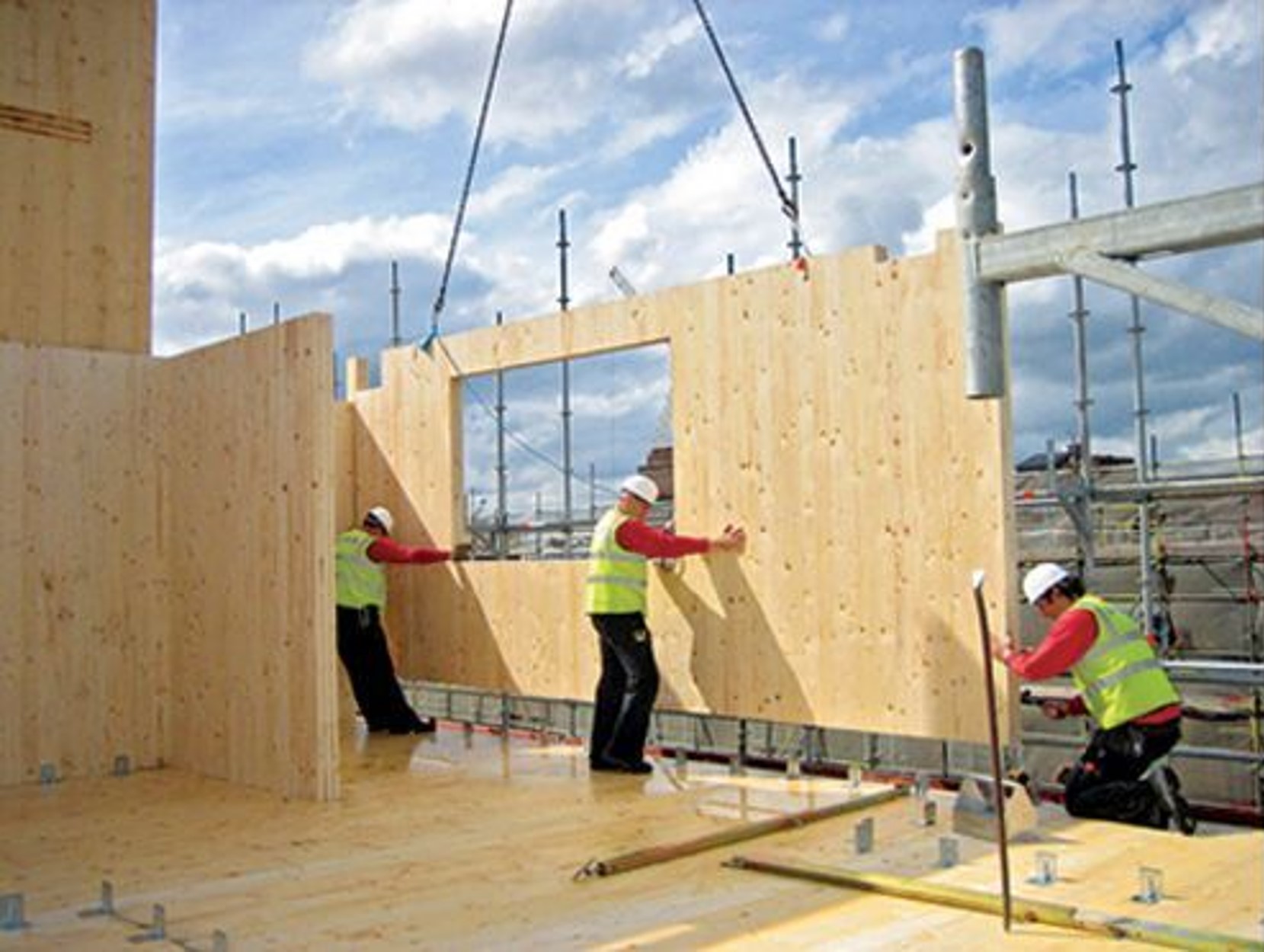
Changes to the 2021 International Building Code allow for the construction of mass timber buildings with larger heights and areas than is currently permitted in Types III, IV, and V construction. This presentation will provide an overview of fire design of mass timber building elements and assemblies, and the protection of connections. New code provisions for special inspection of tall mass timber structures will also be discussed.
Funding provided in part by the Softwood Lumber Board.
Wood-Frame Shear Walls And SDPWS: Insights from Testing with 10d “Short” Nails, Better End-Post Details, and Added Gypsum Wallboard
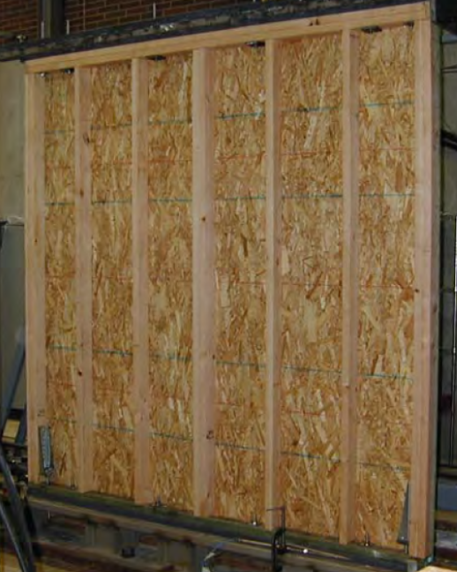
Experimental studies of cyclic performance of wood-frame shear walls give insight into structural performance and have informed recent changes implemented in the 2021 Special Design Provisions for Wind and Seismic (SDPWS). Experimental results for 10d short nails, shear wall end post details, and gypsum wallboard contribution to shear wall strength and stiffness are summarized. SDPWS requirements and commentary guidance relative to the tested systems will also be discussed.
This program includes discussion about wood-based connection design based on numerous help desk questions and feedback from design professionals. AWC has identified some commonly overlooked wood-based connection engineering requirements from the National Design Specification® (NDS®) for Wood Construction and Special Design Provisions for Wind and Seismic (SDPWS) for discussion. Connection detailing requirements and design examples will also be provided.
Funding provided in part by the Softwood Lumber Board.
The 2018 International Building Code (IBC) specifies that structures using wood-framed shear walls and diaphragms to resist wind, seismic and other lateral loads shall be designed and constructed in accordance with AWC’s 2015 Special Design Provisions for Wind and Seismic (SDPWS). Calculation of wood-frame diaphragm deflection should account for bending and shear deflections, fastener deformation, chord splice slip, and other contributing sources of deflections. The 2015 SDPWS incorporates both a 3-term and 4-term deflection equation that accounts for these variables. This course will provide an overview and comparison of the 3-term and 4-term deflection equations. Additionally, an example showing calculation of mid-span deflection of a blocked wood structural panel diaphragm will be presented.
Funding provided in part by the Softwood Lumber Board.
Tall Wood Buildings in the 2021 IBC: Up to 18 Stories of Mass Timber
In January 2019, the International Code Council (ICC) approved a set of proposals to allow tall wood buildings as part of the 2021 International Building Code (IBC). Based on these proposals, the 2021 IBC will include three new construction types—Type IV-A, IV-B and IV-C—allowing the use of mass timber or noncombustible materials. These new types are based on the previous Heavy Timber construction type (renamed Type IV-HT) but with additional fire-resistance ratings and levels of required noncombustible protection. The code will include provisions for up to 18 stories of Type IV-A construction for Business and Residential Occupancies. Based on information first published in the Structural Engineers Association of California (SEAOC) 2018 Conference Proceedings, this paper summarizes the background to these proposals, technical research that supported their adoption, and resulting changes to the IBC and product-specific standards.
Funding provided in part by the Softwood Lumber Board.
The 2018 International Building Code (IBC) specifies that structures using wood-framed shear walls and diaphragms to resist wind, seismic and other lateral loads shall be designed and constructed in accordance with AWC’s 2015 Special Design Provisions for Wind and Seismic (SDPWS) or 2018 Wood Frame Construction Manual (WFCM) for One- and Two-Family Dwellings. Both code-referenced standards provide procedures for designing diaphragms for wood construction. This presentation will demystify diaphragm design by providing wind and seismic design examples for in-plane lateral design of wood- and gypsum-sheathed diaphragms including a brief overview of high-load diaphragms.
Funding provided in part by the Softwood Lumber Board.
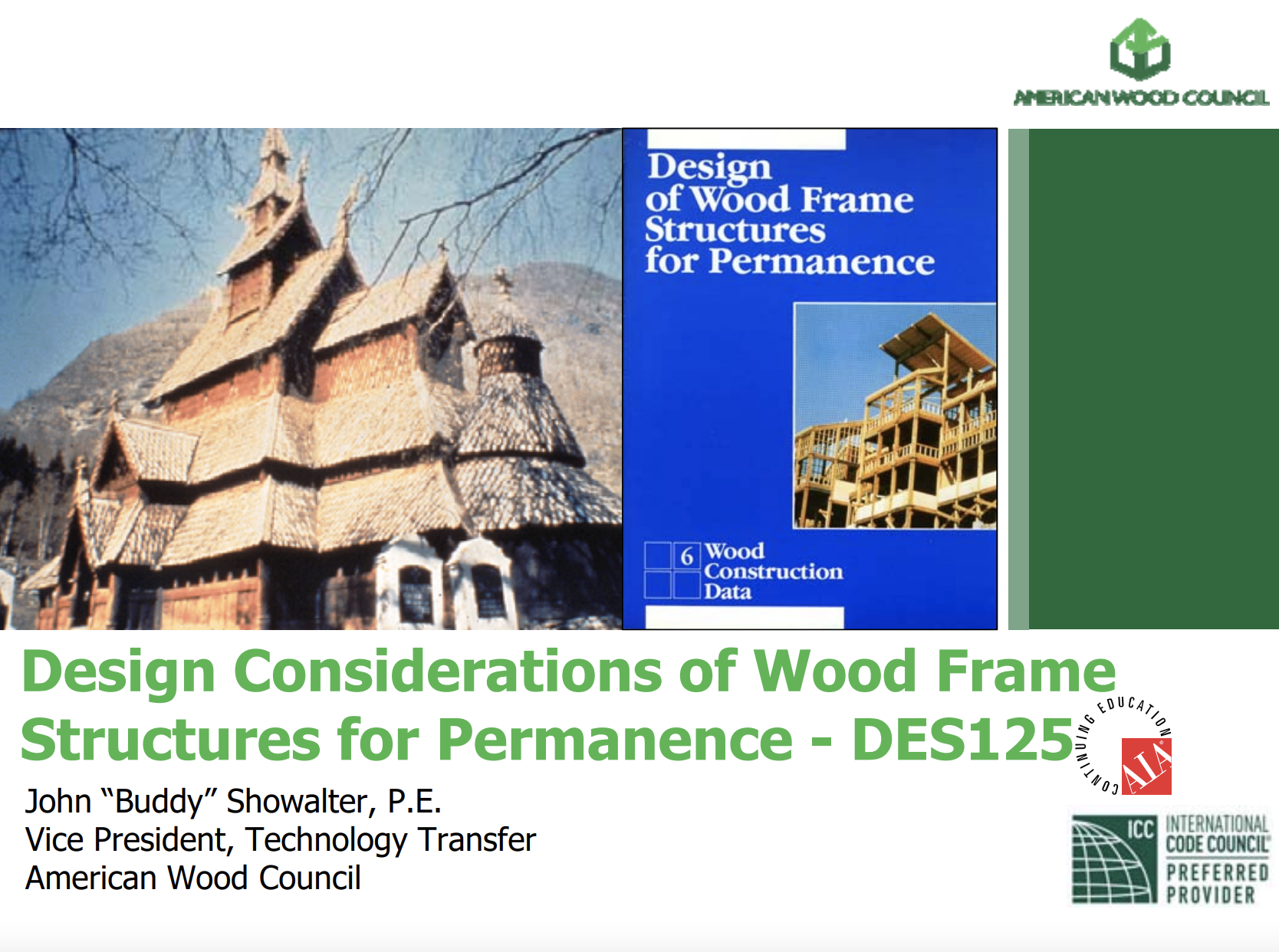
Design Considerations of Wood Frame Structures for Permanence
When properly designed, wood frame structures will resist damage by moisture and living organisms. Recommendations for control of moisture and protection against decay and insect infestations are contained in AWC™s Design of Wood Frame Structures for Permanence, WCD No. 6. Protection of wood frame structures to provide maximum service-life involves four methods of control, which can be handled by proper design and construction: (1) control moisture content of wood, (2) provide effective termite controls, (3) use of durable materials such as naturally durable or preservative treated wood, and (4) quality assurance.
New provisions for Cross-Laminated Timber (CLT) shear wall design are included in the 2021 Special Design Provisions for Wind and Seismic (2021 SDPWS), the culmination of many years of research and testing. This program will present a design example for a CLT shear wall, including panel capacity, hold-downs, and deflection checks. Relevant supporting testing, analysis, and referenced standards will also be discussed.
With encouragement from the U.S. wood products industry, in 2016, the International Code Council (ICC) formally began to explore the feasibility of adding provisions for tall mass timber buildings in the U.S. model building codes. Since that time, the ICC Tall Wood Building (TWB) Ad Hoc Committee has reviewed voluminous materials regarding tall mass timber buildings, including domestic and international research. The TWB developed a comprehensive set of technically substantiated code changes, supported by a number of unique fire testing scenarios and designer input. In January 2019, most of these code changes were approved by the ICC membership, including provisions for permissible building heights and areas, number of stories, and fire requirements. Three remaining changes, addressing construction inspections and fire resistance design of connections were approved as part of the 2021 IBC. This presentation will provide a brief oversight of the new U.S. model code provisions for Tall Wood Buildings.
Answering Your Deck Questions: A Panel Discussion With The Pros
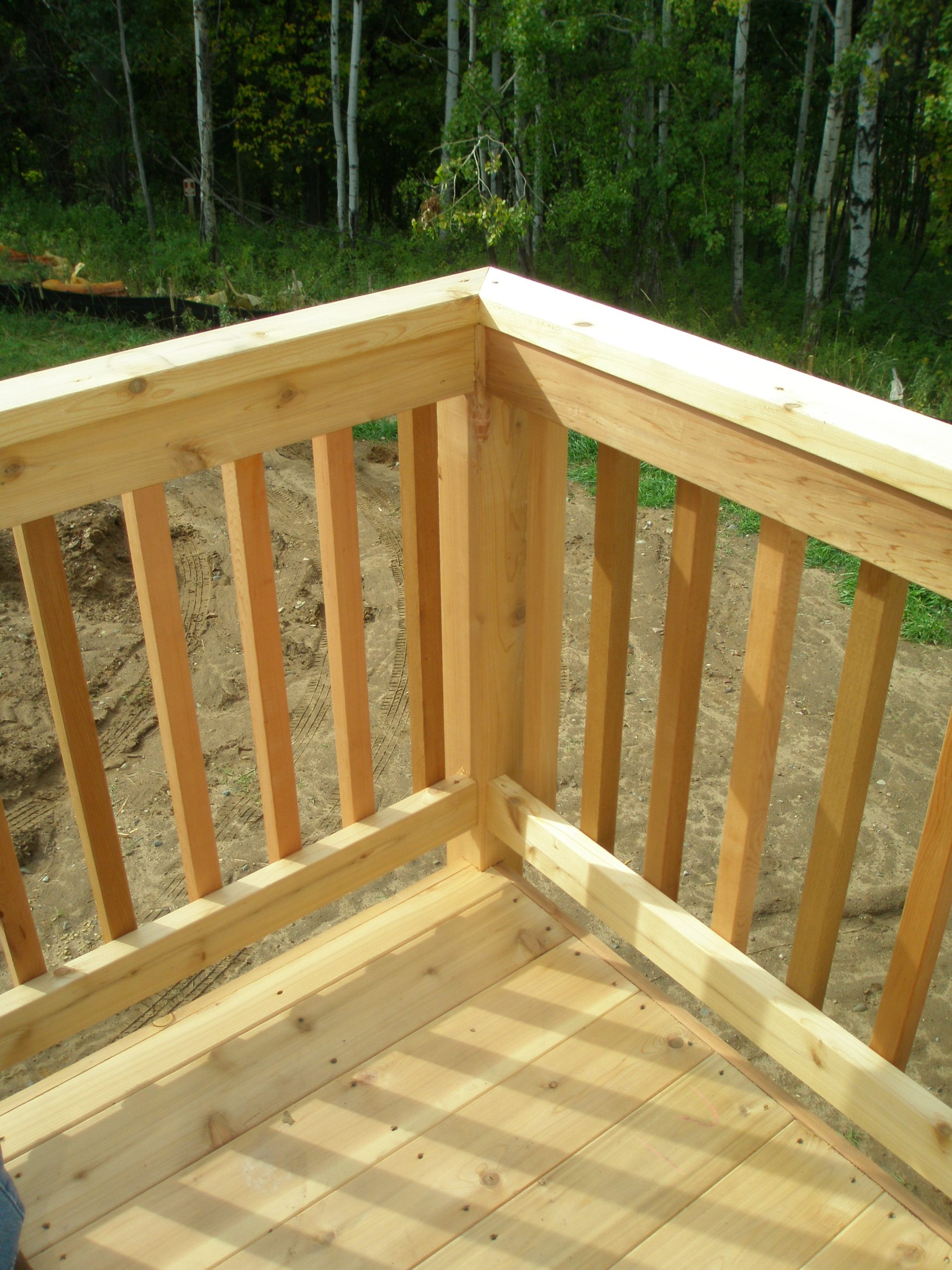
Do you have questions on deck design? Now’s the chance to ask the pros! Renowned deck expert Mike Guertin joins AWC’s Matt Hunter, BCO, and Loren Ross, PE for a panel discussion on all things deck construction. Topics covered will include relevant International Residential Code (IRC) references, AWC’s Design for Code Acceptance 6 (DCA6) – Prescriptive Residential Deck Construction Guide, and other relevant documents. Attendees are asked to come prepared with plenty of questions – in this new panel discussion format we are encouraging participants to engage with our experts and help guide the discussion!
By the end of this learning unit, you will be able to:
Discuss deck load path code requirements and how to satisfy them.
Recognize proper design and detailing of significant components.
Identify best construction practices outlined in DCA6s.
Indicate relevant analysis requirements and code updates.
Funding provided in part by the Softwood Lumber Board.
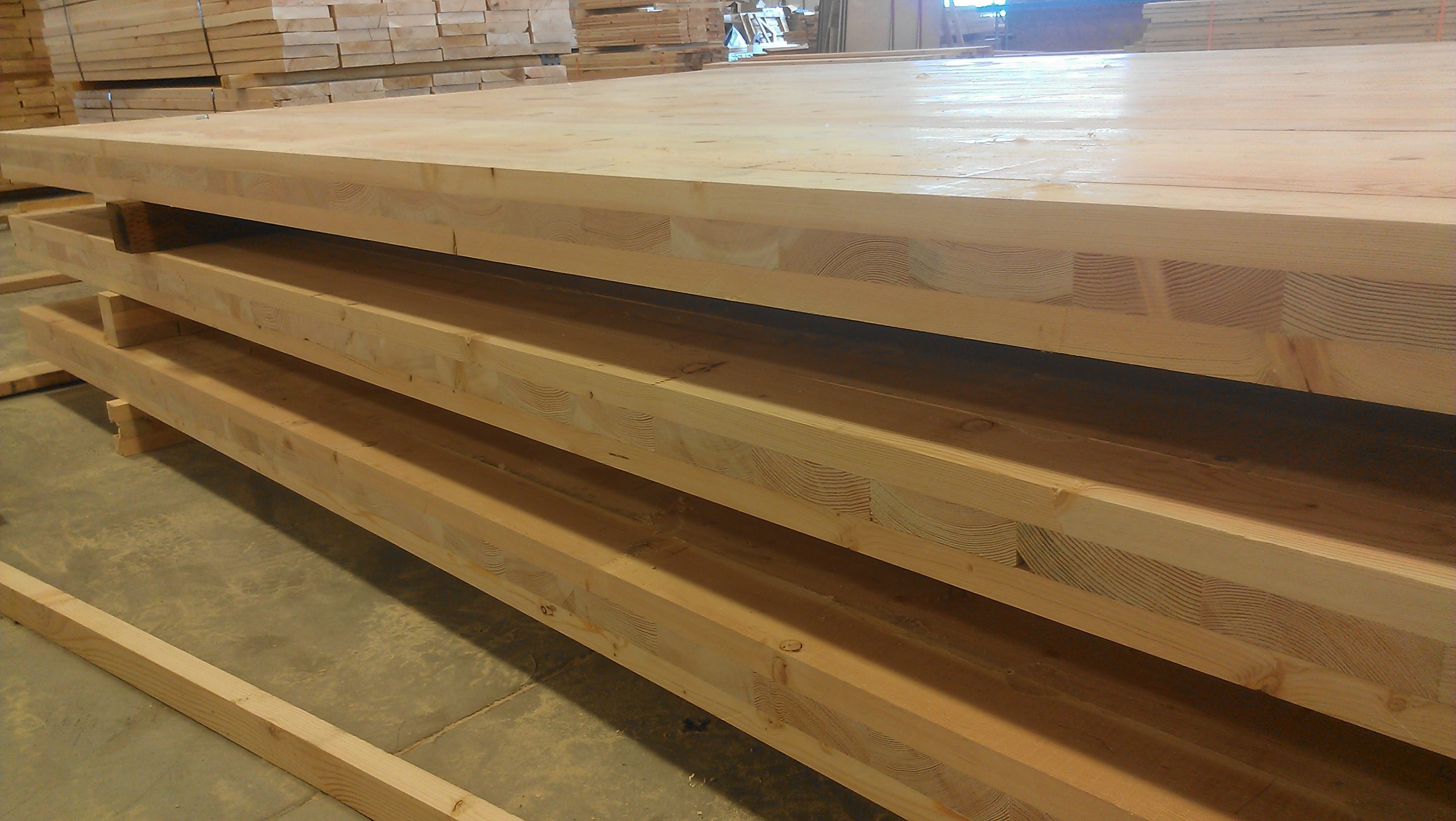
Although not defined in the 2015/2018 IBC, this presentation includes an overview of “mass timber” which is any product currently permitted for use in Type IV construction such as cross-laminated timber (CLT), structural composite lumber (SCL), glued laminated timber (glulam), mechanically laminated decking (aka nail-laminated timber, NLT), and large section sawn timbers. This presentation will provide an overview of changes to the 2015 and 2018 International Building Code (IBC) related to mass timber construction. CLT was first incorporated in the 2015 IBC and additional types of SCL were added to Type IV (heavy timber, HT) construction. The 2018 IBC reorganized heavy timber provisions aiding clear application of heavy timber construction requirements while also providing for separate application of code provisions that allow or specify the use of "mass timber" elements outside of Type IV construction.
Funding provided in part by the Softwood Lumber Board.
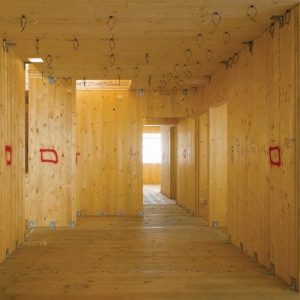
This presentation will provide an overview of mass timber which includes any product currently permitted for use in Type IV (heavy timber) construction such as cross-laminated timber (CLT), structural composite lumber (SCL), glued laminated timber (glulam), mechanically laminated decking (a.k.a. nail-laminated timber or NLT), and large section sawn timbers. NLT, glulam, SCL, and solid sawn timbers have been adopted in the International Building Code (IBC) and utilized throughout the world for several decades on a wide variety of buildings. CLT was first incorporated in AWC's 2015 National Design Specification® (NDS®) for Wood Construction as well as ICC’s 2015 International Building Code (IBC). All mass timber products offer sustainable qualities as they are manufactured from a renewable resource and store carbon. Structural and fire protection characteristics of mass timber will be discussed as well as IBC code provisions that allow their specification in both residential and commercial applications for a wide variety of occupancies.
Funding provided in part by the Softwood Lumber Board.