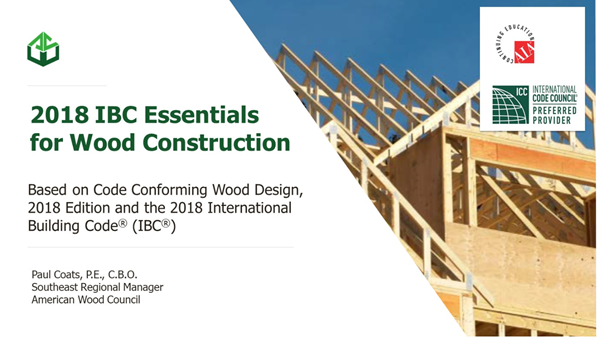
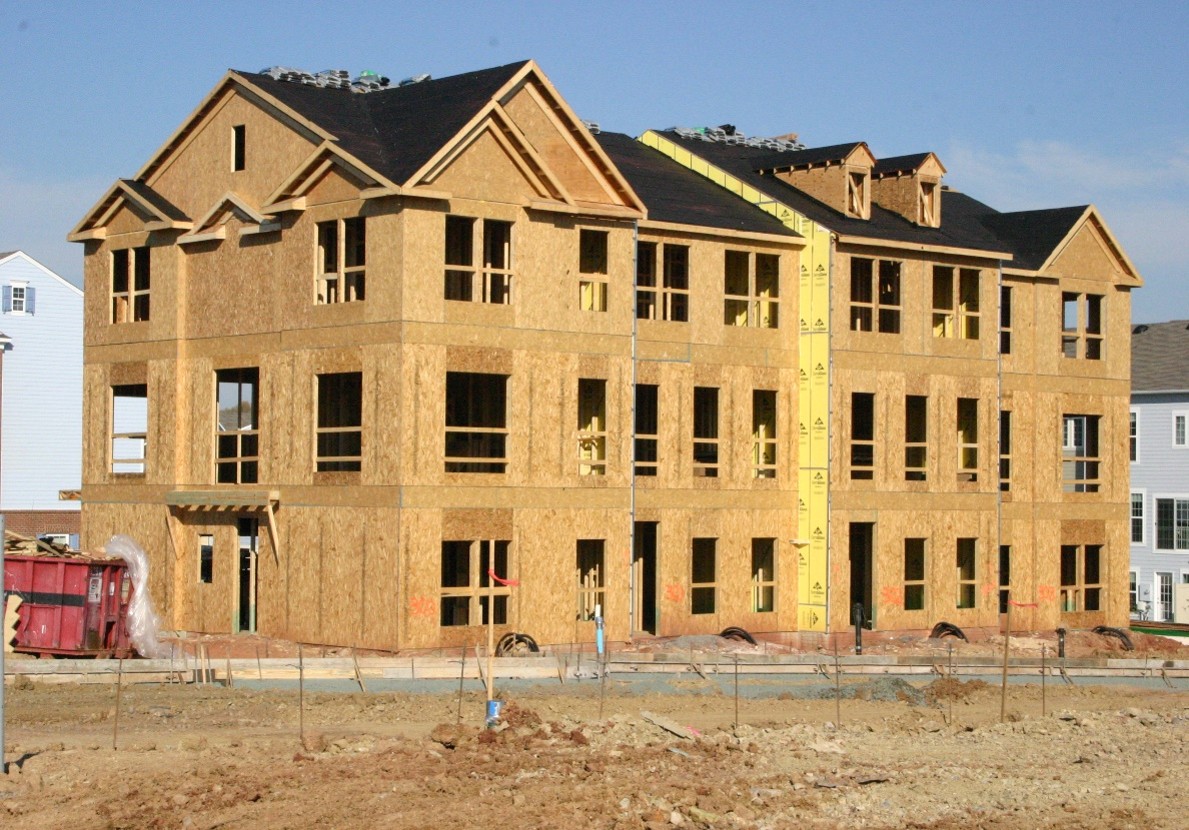
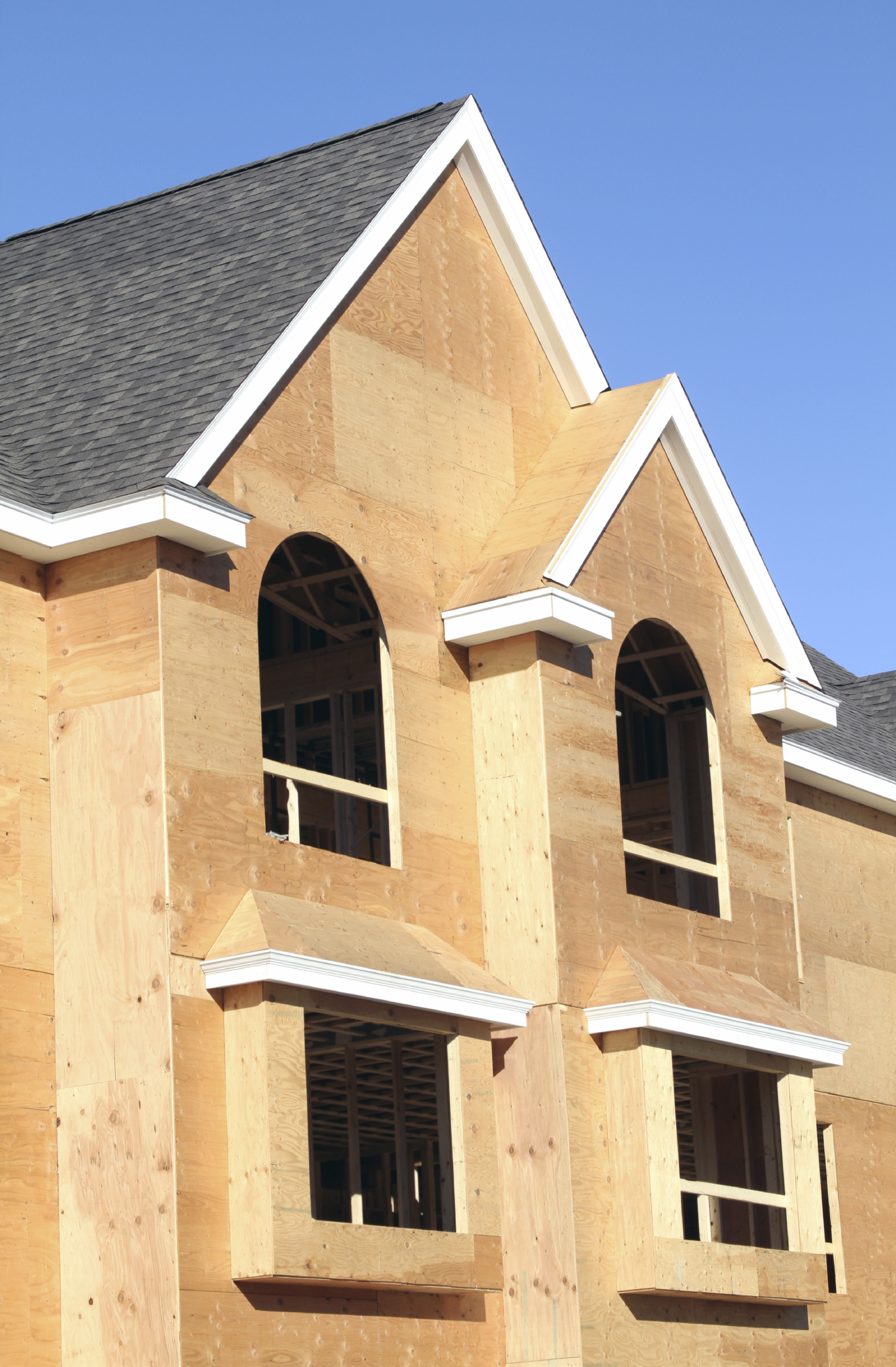
Based on the popular Code Conforming Wood Design (CCWD), a joint publication of the American Wood Council (AWC) and the International Code Council (ICC), this presentation concisely summarizes the 2018 International Building Code (IBC) for commercial and multi-family residential construction. It will explain the determination of maximum building size for eight common use groups using the height and area tables of the 2018 IBC and pre-calculated tables provided in the CCWD. It will also address establishing fire resistance for wood assemblies and heavy timber; special provisions for pedestal buildings; criteria for finishes, appendages, and other wood features; the scoping of referenced wood design standards; an overview of structural provisions in Chapter 23; and requirements for precautions during construction.
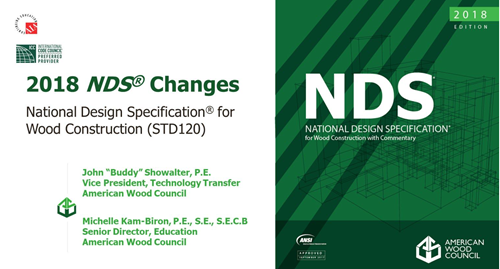
This presentation will provide an overview of the significant changes for wood design per AWC's National Design Specification® (NDS) for Wood Construction. The NDS is referenced in the International Building Code and International Residential Code and used to design wood structures worldwide. The 2018 NDS references ASCE/SEI Standard 7-16 Minimum Design Loads and Associated Criteria for Buildings and Other Structures which includes increased wind loads. Participants will learn about changes in the 2018 NDS to address increased wind loads and gain an overview of the standard.
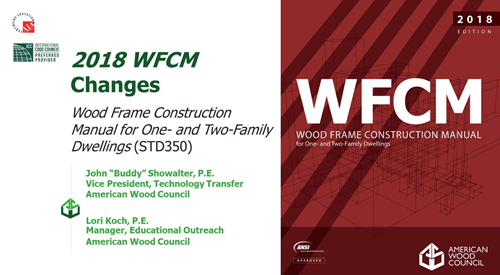
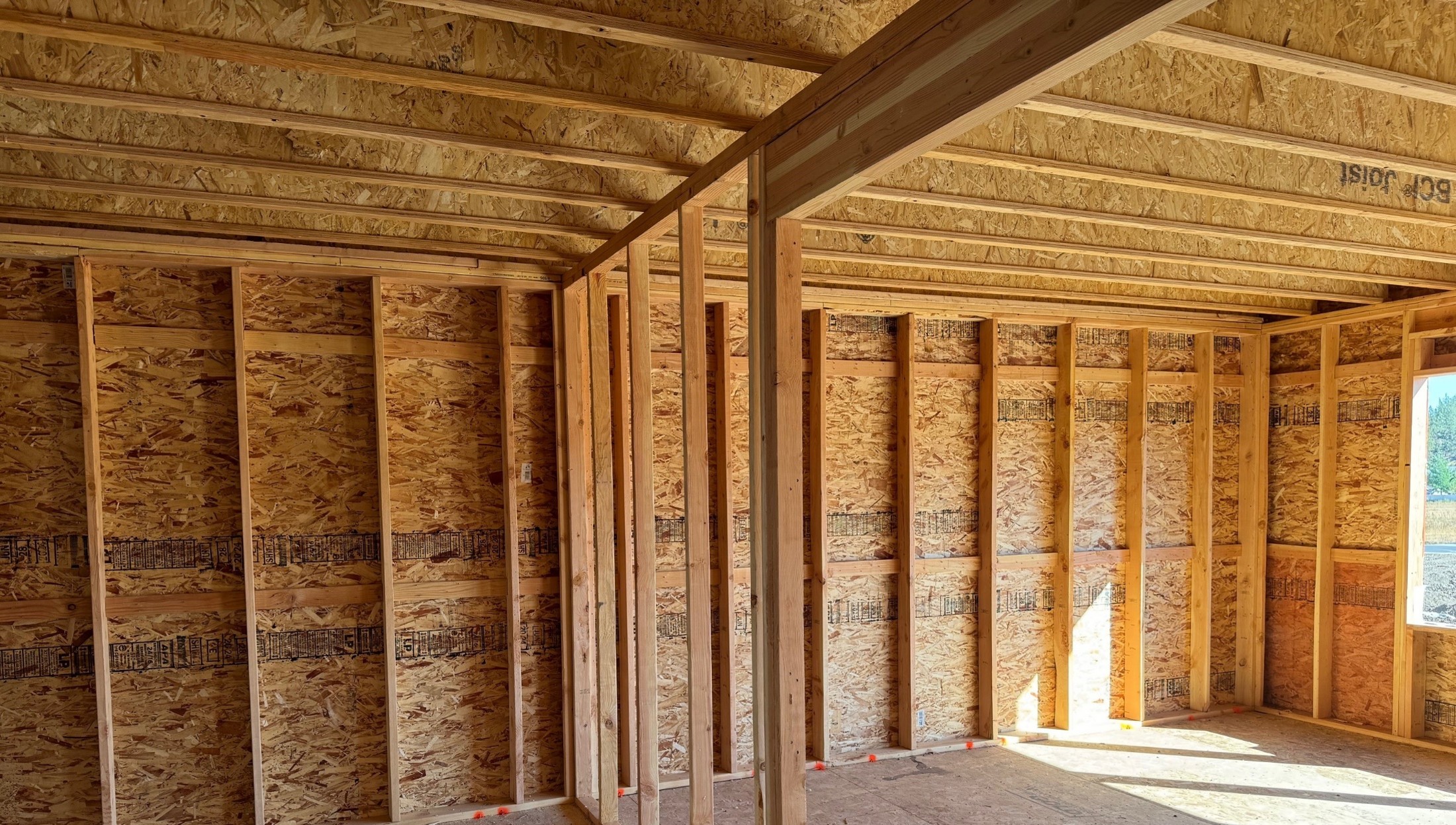
The Wood Frame Construction Manual (WFCM) for One- and Two-Family Dwellings (ANSI/AWC WFCM-2018) has been updated and is referenced in the 2018 International Building Code (IBC) and 2018 International Residential Code (IRC). The 2018 WFCM uses gravity and lateral loads based on ASCE 7-16 Minimum Design Loads and Associated Criteria for Buildings and Other Structures. This presentation will provide an overview of the significant changes in the 2018 WFCM relative to the previous 2015 edition. The WFCM provides code officials and designers with time-saving tools based on engineered and prescriptive solutions (based on structural engineering principles) for wood structures to resist anticipated lateral and gravity loads.
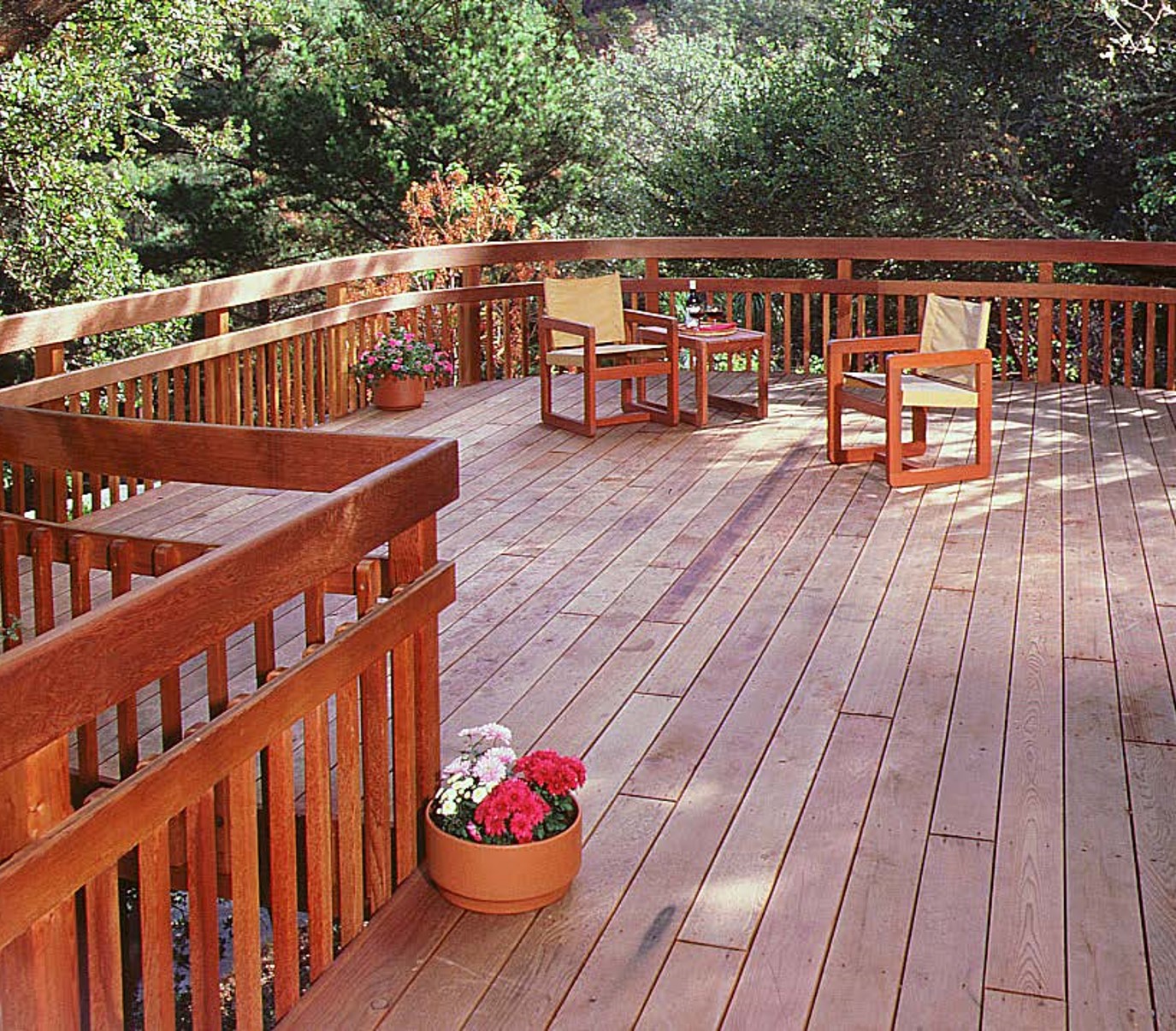
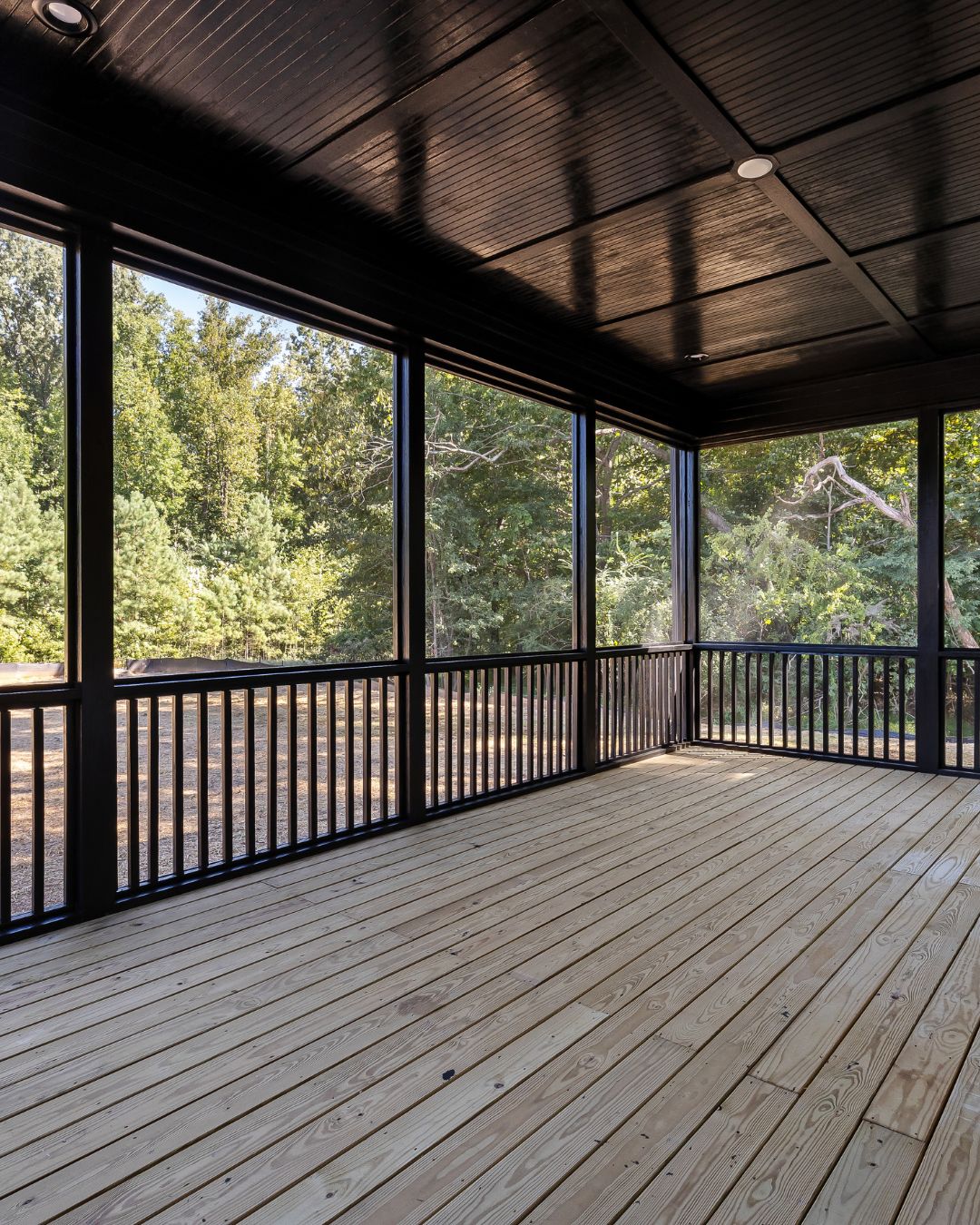
This presentation introduces basic design and construction methods for single-story residential wood decks focusing on the significant changes to the 2021 International Residential Code (IRC). The vertical and lateral load paths of conventional residential decks, as well as other general information about decks is also included. Specific design guidance includes convenient span tables for joists and beams and tables of post sizing limitations and connection methods.
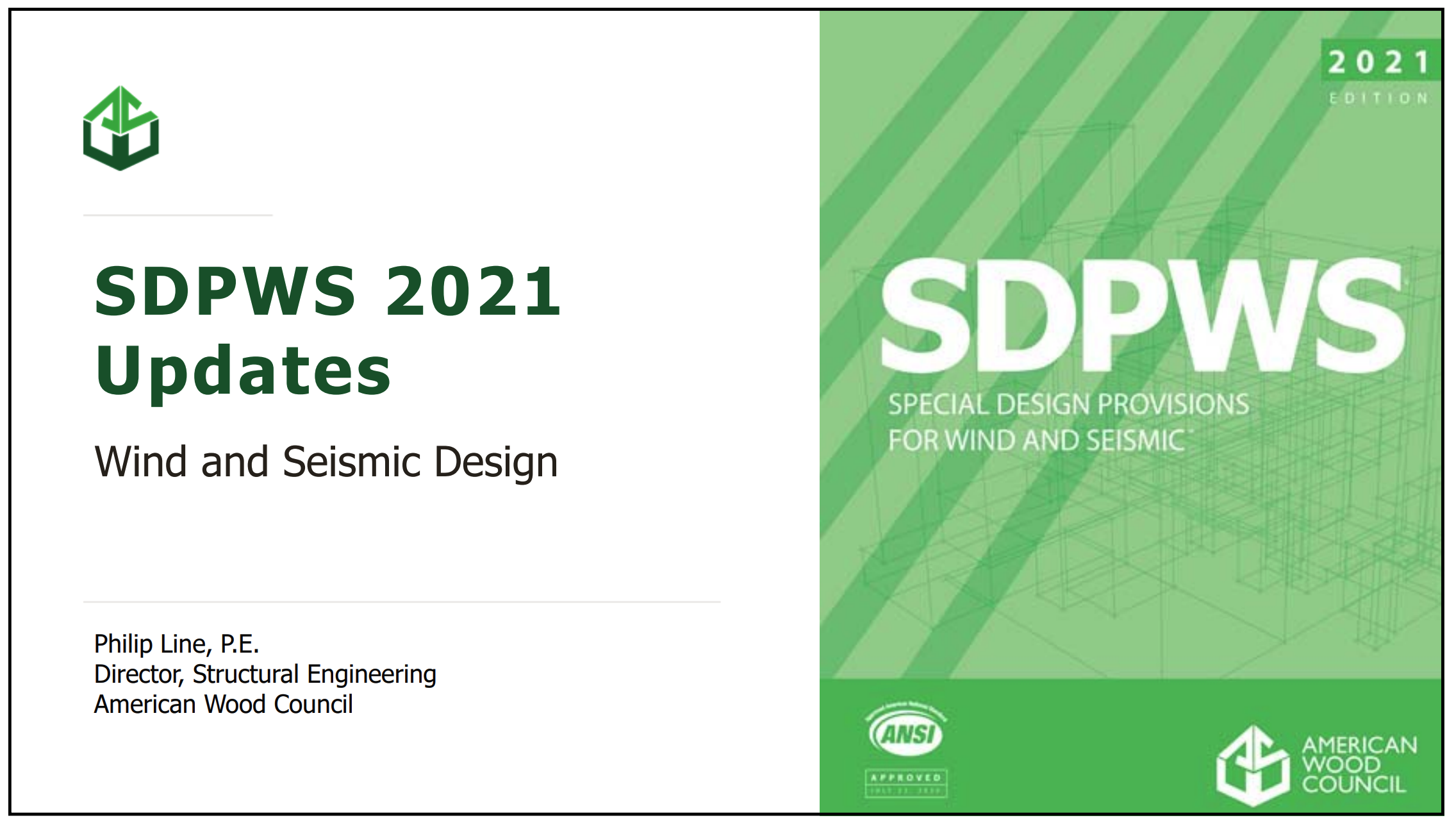
Standard Update: 2021 Special Design Provisions for Wind & Seismic
The 2021 Edition of Special Design Provisions for Wind and Seismic (SDPWS) is the latest update of the IBC-referenced document. The 2021 SDPWS was developed by AWC’s Wood Design Standards Committee (WDSC) and contains provisions for the design of wood members, fasteners, and assemblies to resist wind and seismic forces. This program will cover notable revisions between the 2021 and 2015 versions of the standard.
2024 IRC Provisions Prescriptive Wall Bracing Part 1: Loads and Connections
The 2024 International Residential Code (IRC) provides detailed guidelines for constructing one- and two-family dwellings, as well as townhouses, up to three stories. This course explores gravity and lateral loads, their regional applicability, and how they transfer through a building to the ground. The course will examine proper wall bracing connections, analyze load paths, and assess the scope and limitations of prescriptive building codes. Learners will be equipped to evaluate structural stability and code compliance.
Funding provided in part by the Softwood Lumber Board.
2024 IRC Provisions Prescriptive Wall Bracing, Part 2: Types of Braced Wall Panels
The 2024 International Residential Code (IRC) provides detailed guidelines for constructing one- and two-family dwellings, as well as townhouses, up to three stories. Part 2 of this 4-part series focuses on a comprehensive look at Braced Wall Panels, their construction methods, and how different types can be used within the same building under specific criteria. Students will analyze how various panels achieve different levels of bracing and why they are not interchangeable. Emphasis will be placed on the importance of constructing Braced Wall Panels in accordance with code provisions and figures to ensure structural integrity and compliance.
Funding provided in part by the Softwood Lumber Board.
This presentation introduces basic design and construction methods for single-story residential wood decks focusing on the significant changes to the 2024 International Residential Code (IRC). The vertical and lateral load paths of conventional residential decks, as well as other general information about decks is also included. Specific design guidance includes convenient span tables for joists and beams and tables of post sizing limitations and connection methods.
Funding provided in part by the Softwood Lumber Board.
Advancing Environmental Transparency for Wood Products
The built environment is responsible for nearly 40% of annual global greenhouse gas emissions. In order to avoid the worst climate change scenarios, rapid decarbonization is needed in all sectors. Wood products present a right-now solution to this challenge, as they are significantly lower in embodied carbon than other conventional building materials, and, when sourced from sustainably managed forests, provide numerous environmental benefits. This webinar will walk through the sustainability story of U.S. wood products and show the work we’re doing to tell the story transparently through data and EPDs.
An Introduction to Mass Timber Buildings in the IBC
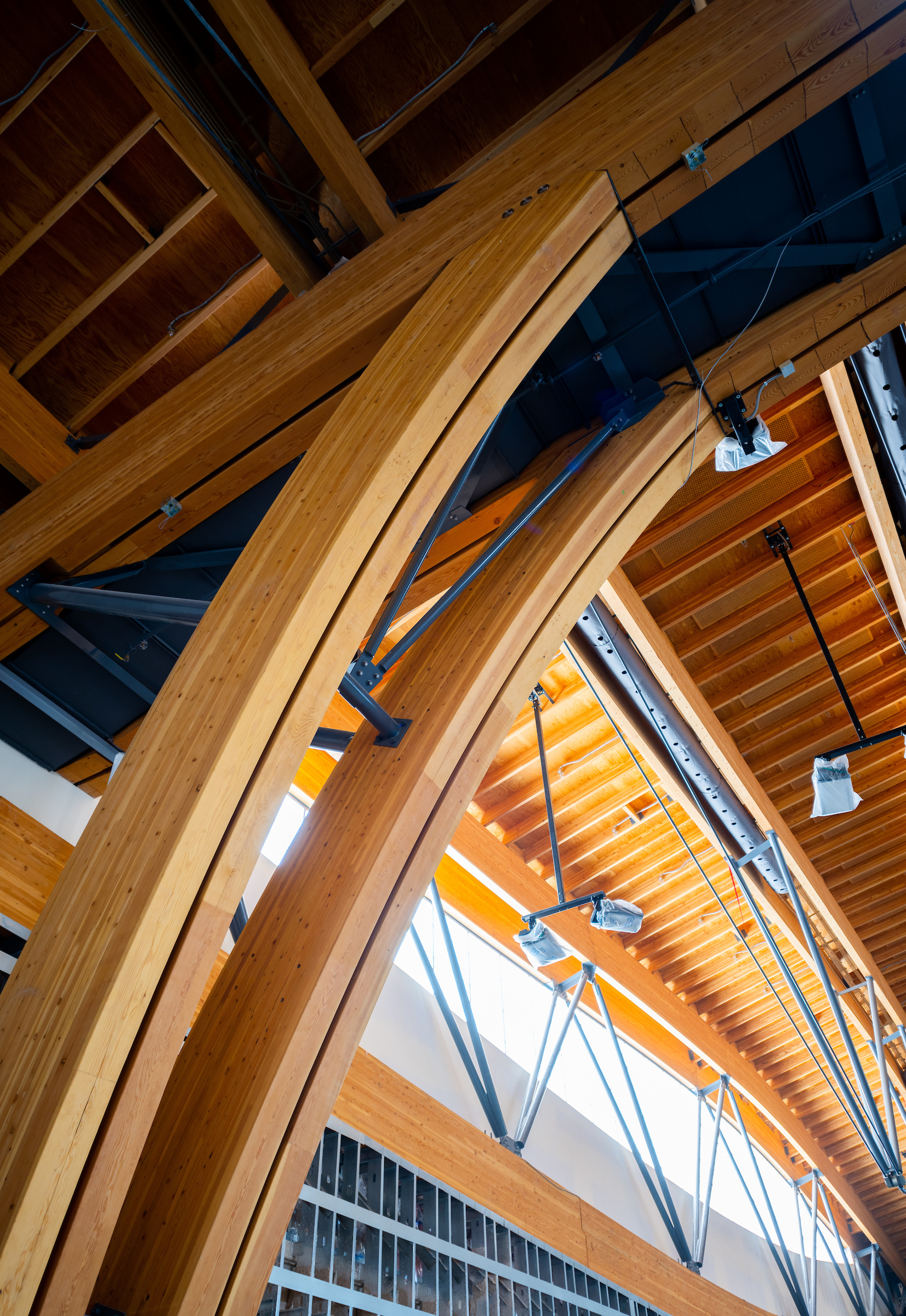
This presentation will introduce learners to new Mass Timber buildings (Construction Types IV-A, IV-B, and IV-C). The criteria and products commonly associated with Mass Timber buildings will be discussed. The course will provide an overview of the work of the International Code Council’s (ICC) Tall Wood Building Ad Hoc Committee (TWBAH). The presentation will provide an overview of fire tests performed in support of these changes. Allowable heights and maximum number of stories permitted for the new Mass Timber Construction Types will be discussed, along with the basis for determining required fire resistance, and the importance of non-combustible protection.
Stay ahead of the curve with the most significant updates coming to the 2024 International Residential Code (IRC). This webinar will explore the biggest forthcoming changes in the 2024 International Residential Code (IRC) and their implications for construction and design professionals. This webinar is essential for architects, engineers, builders, and code officials who need to stay ahead of the curve with the upcoming code changes. The most impactful changes in Chapters 1- 3 of the 2024 IRC will be discussed. The session will cover the rationale behind these changes, real-world applications, and practical illustrations to help attendees navigate the new requirements effectively.
Funding provided in part by the Softwood Lumber Board.
Stay ahead of the curve with the most significant updates coming to the 2024 International Residential Code (IRC). This webinar will explore the biggest forthcoming changes in the 2024 International Residential Code (IRC) and their implications for construction and design professionals. This webinar is essential for architects, engineers, builders, and code officials who need to stay ahead of the curve with the upcoming code changes. The most impactful changes in Chapters 4 through 10 and Appendices of the 2024 IRC will be discussed. The session will cover the rationale behind these changes, real-world applications, and practical illustrations to help attendees navigate the new requirements effectively.
Funding provided in part by the Softwood Lumber Board.